
About EXP//Labs
We are two practitioners with a shared conviction: You can't think your way to change - you have to act your way to it.
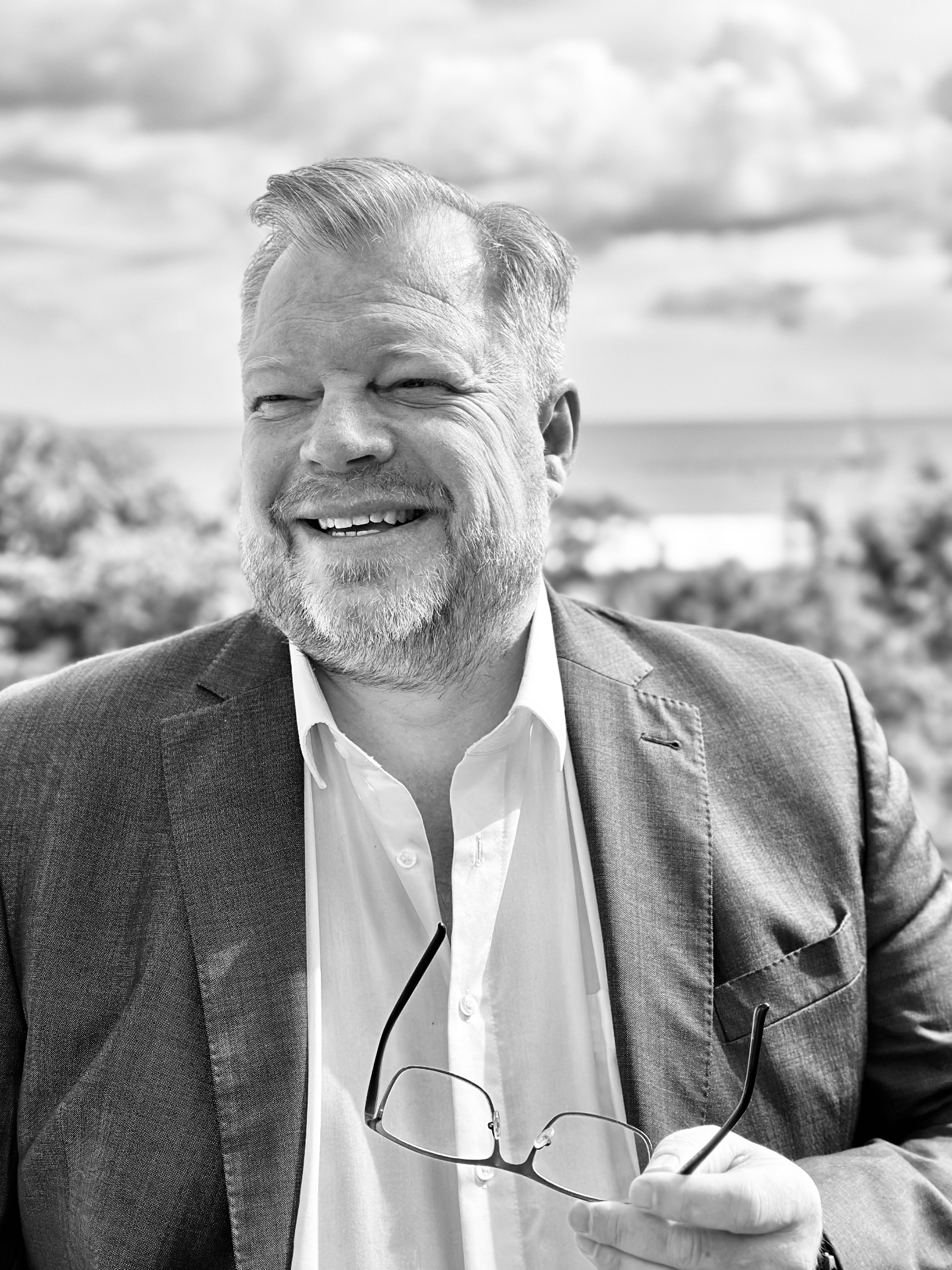
Henrik Stender
Culture before strategy
I believe that culture is the foundation on which everything else is built.
Strategies can be planned, systems can be optimized, and AI can predict - but it's culture that connects people, creates meaning, and brings everyday life to life.
I have spent the last 25 years exploring precisely that field: how we create organizations where people thrive, think boldly, and dare to be themselves.
As Culture Architect Lead at Visma Dinero and author of "Kulturskaberen - Kulturen lyver aldrig" and "Eksperimenter - Det er bedre at vide end at gætte", I have learned that culture is not about Friday bars, values on the wall, or internal campaigns.
Culture is about behavior, social well-being, psychological safety, and trust - and about leaders who dare to stand in imperfection and create frameworks where people flourish.
I work at the intersection of human insight, systems thinking, and experimental leadership. Here I develop frameworks like Kulturdiamanten® and CultureID®, which make culture measurable, manageable, and alive in practice.
My approach is simple but demanding: test, learn, and adapt - together.
I don't believe in "HR processes". I believe in people who want something with people. I believe in leaders who dare to be curious, vulnerable, and clear at the same time. And I believe that future organizations should not only be high-performing - but high-thriving environments where innovation and meaning go hand in hand.
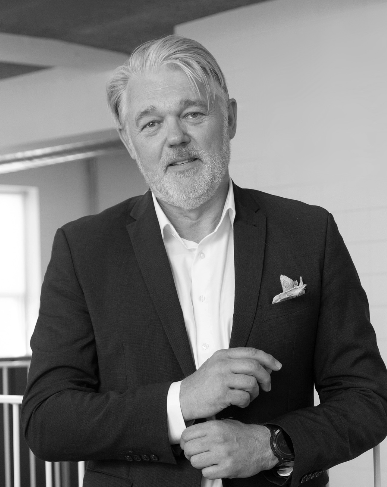
Søren Strunk-Sørensen
"We don't know anything until we've tried it"
Excuse my somewhat free language. But I actually mean it. The phrase comes from a vegetable grower who is relatively well-known in certain circles - the discussion was about whether you could grow black garlic over winter in Denmark.
Instead of all sorts of calculations - "shouldn't we just try it" - that approach has followed me ever since.
I am an experienced advisor with plenty of instructive failed projects and fortunately also a long list of successful ones in my portfolio.
A few years ago, I worked for a client who, in their IT organization and development, is known as one of the leaders in Denmark in working agilely, focused, fast, and with extremely high quality and productivity.
The challenge we got was whether it was possible to transfer the ideas from agile thinking to other parts of the company, such as how the company's customer area could execute ideas and opportunities quickly, with a high degree of involvement.
The thoughts about this were formulated in the concept of "Hypothesis-Driven Controlled Experiments" - a lot of long words, but brought to life, systematized, and simplified, it just worked. Not without struggles and a lot of learning and not least unlearning.
A Break from the Established
The model has proven to be a break from:
- Too much time being spent on drawn-out, energy-draining business cases
- The built-in fear of failure in too many people in the company
- Changes being something driven by the few - the usual suspects
- Changes being driven through KPIs, numbers, and spreadsheets - rather than people, customers, passion, and engagement
- The far too long lead times for projects and ideas - if they're even implemented at all
- Too many changes starting from an internal assessment of what's smart for us - and not what's best for our customers
Consider the idea of experiments as a practical proposal, a position statement, on a way to drive change. A method that increases speed, quality, and not least motivation for everyone involved.
Our model is a "position statement", but we really hope that more people sharpen their curiosity and throw themselves into it.
"Because we don't know anything until we've tried it" - and with a little help from AI, we can ensure that we use time and resources in the right places. It's great fun!